Seattle, WA — Open to Contract & Full-Time

Product design for complex clinical workflows

I'm a senior product designer who's spent three years as the sole designer on a healthcare EHR, owning everything from research to design systems to the interaction model for AI agents inside a HIPAA-constrained product.

Currently

Senior Product Designer, Open to Work

Specialization

Healthcare, EHR & AI Agent UX

Background

3 yrs sole designer, Therasoft

End-to-end ownership

Research, UI, QA, design systems, and dev tickets , as the only designer on a live clinical product

Regulatory fluency

HIPAA isn't a constraint I work around. It's design material I've shipped inside, repeatedly.

AI product experience

Defined the interaction model for a multi-agent clinical system before a line of code was written.

Case Studies

The legacy image of Therasoft's calendar

The Legacy Problem

Enterprise UX · Design Systems · EHR

A clinical platform with thousands of daily users, built over years without a design system, by whoever was available. The software worked — barely. New users couldn't find their footing, and the team was drowning in support calls that were really just onboarding failures in disguise.

VIew Case Study
The agent side panel created within Therasoft's software

Designing Trust First

AI Interaction Design · Clinical Workflow

In a clinical product, AI touching patient data isn't a feature decision — it's a trust decision. There was no spec, no scope, and no framework for how AI should behave across the product. I wrote one before anyone built anything.

View Case Study
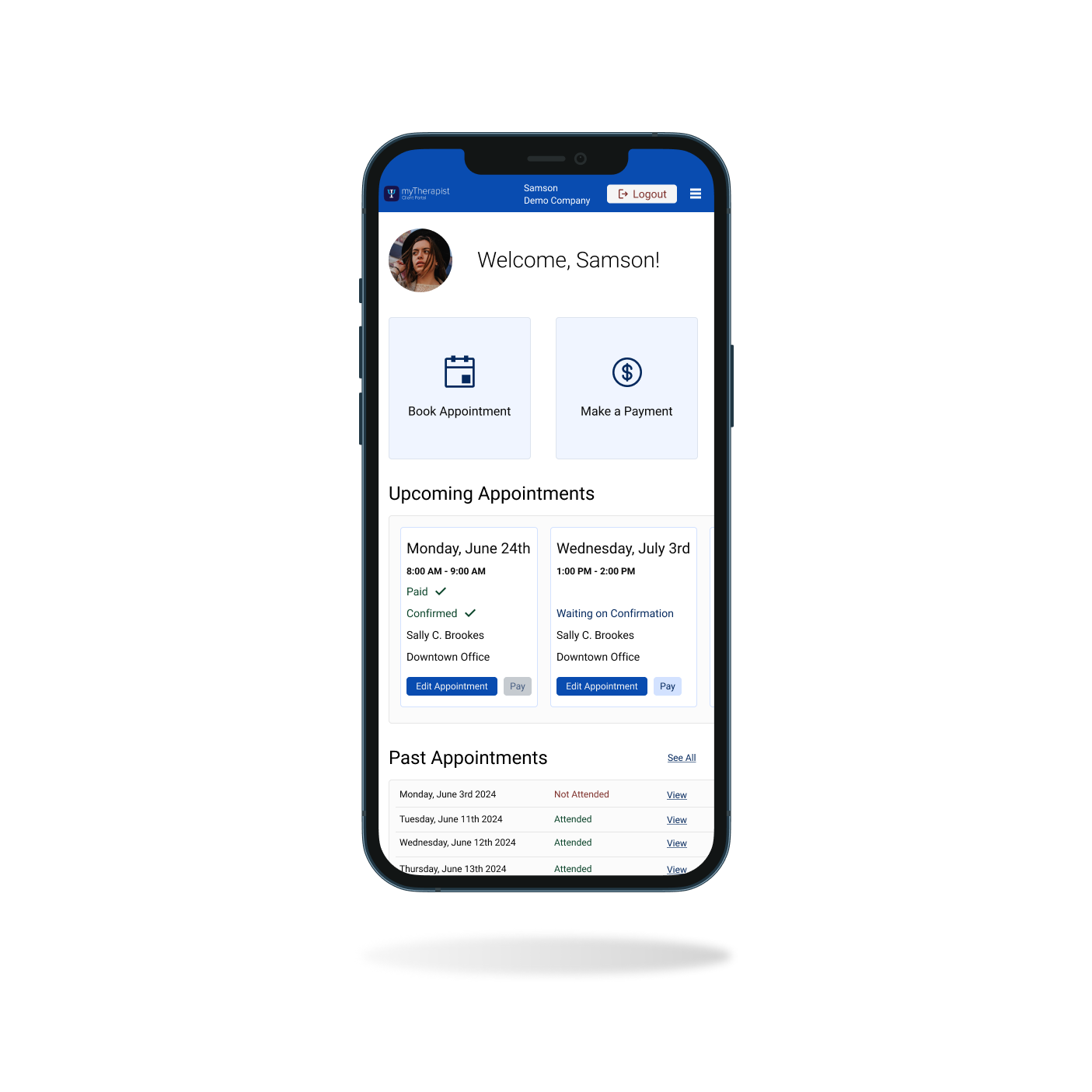
Mobile application for the client portal viewed on a phone

Patient Portal Clarity

Mobile UX · Patient-Facing Product

The patient portal showed everything — session costs, insurance payments, per-appointment charges — on the assumption that more visibility meant more value. Working with clinicians who knew exactly what their clients struggled with, I cut it down to the two things patients actually came for: see the next appointment, pay the balance. Everything else was noise they never asked for.

View Case Study

About

I learned to listen before I learned to design

I spent years in customer service and training before I ever opened Figma — work that taught me to hear past what someone says to what they actually need. That skill turned out to be the whole job. When clinicians told me the software just needed to "look better," the real problem was speed; when they asked for more on a screen, the real problem was hierarchy. Finding the gap between the stated complaint and the underlying need is the instinct I lean on most.

My craft took shape in an intensive lock-step design program, four years of curriculum compressed into two — where I stopped treating visual design and human-computer interaction as separate things and learned to make them serve each other. Long before the EHR work, I was already designing for real clients: branding, web, and layout work across freelance projects, an OpenAI-powered iOS product with a small team, and an accessibility-driven rebuild for a cancer-support nonprofit, where a full WCAG audit reshaped how I think about designing for people who are too often left out.

I carried all of it into three years as the sole product designer on a healthcare EHR — promoted to Senior as my scope grew from interface redesign to the design system, the AI interaction model, and the dev-ready specs underneath. I learned to own the whole problem: research it, build it, and write the handoff a developer can actually work from.

"Tristan was always willing to listen to concerns and brainstorm ways to solve the underlying thing you're trying to do."

- Cassandra — Therasoft Customer

Let's Talk!

Open to contract and full-time roles in healthcare product design

If you're hiring for a healthtech product, or just want to talk through how I'd approach a problem you're facing, I'd like to hear from you.